
The High Speed Electronics Laboratory is made up of talented, enthusiastic, and hardworking individuals. These pages are still being updated.
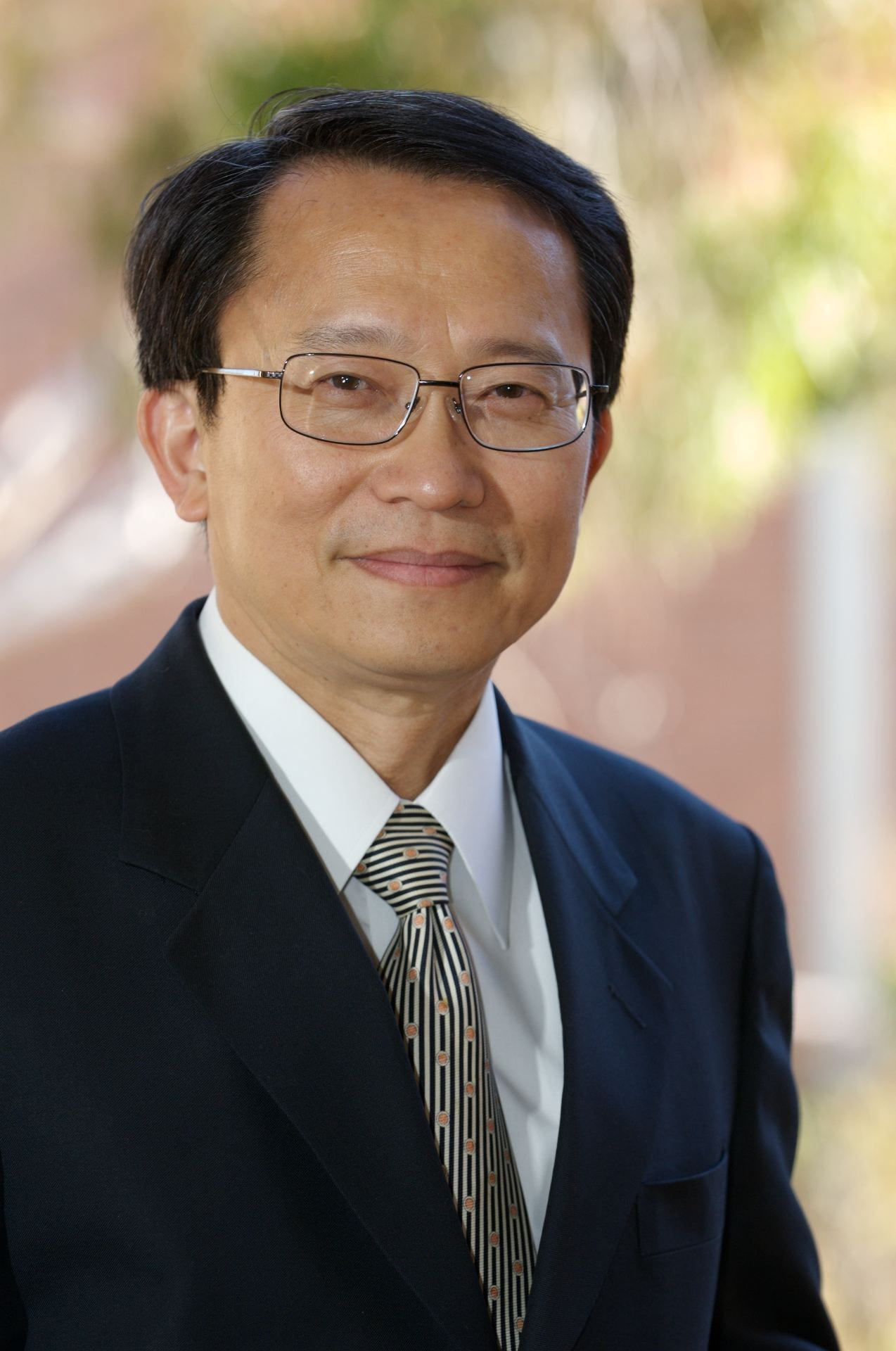
Director: Prof. Mau Chung Frank Chang
Dr. M.-C. Frank Chang is the Wintek Chair in Electrical Engineering and Distinguished Professor of UCLA. (1997-present) Throughout his career, he has focused on the research & development of high-speed semiconductor devices including heterojunction bipolar transistors and CMOS integrated circuits for radio, radar, RF-interconnect, spectrometer, and AIoT System-on-Chip applications from microwave to Terahertz frequencies. He is a Member of the National Academy of Engineering, European Academy of Sciences and Arts, a Fellow of the National Academy of Inventors, and an academician of Academia Sinica, Taiwan. In addition to receiving the prestigious AAES John Fritz Medal (2025), he was also recognized by the IEEE David Sarnoff Award (2006), IET J.J. Thomson Medal for Electronics (2017), and IEEE/RSE (Royal Society of Edinburgh) James Clerk Maxwell Medal (2023) for his landmark contributions to modern high-speed electronics with unprecedented functionality, bandwidth, efficiency and re-configurability. He also served as the President of the National Chiao Tung University, HsinChu, Taiwan (2015-2019).
Modern mobile systems rely on sophisticated digital modulation schemes to achieve effective use of frequency bandwidth for high data rate throughput. These systems, including all smartphone transmitters, cannot be deployed without using high efficiency/linearity/reliable power amplifiers, which are primarily made of GaAs HBT/BiFET. In 2021 alone, more than 1.4 billion smartphones are shipped (https://www.statista.com). Super-majority of these smartphones used GaAs HBT/BiFET for power amplification to meet the required linearity and efficiency. For the past 30 years, >30 billion smartphones were shipped, with total production of GaAs HBT/BiFET PAs exceeding 100 billion units, because each smartphone may support Quad-band GSM/EDGE and WCDMA Band I/II/V/VIII and LTE plus 5G Sub-6GHz bands. GaAs HBT/BiFET PAs pioneered by Chang’s Rockwell research team (1983-1997) and its later spin-off commercial entities including Skyworks Solutions have grown into a globally dominant business for 2/3/4/5G smartphone insertions for the past three decades.
Prof. M.C. Frank Chang joined UCLA in 1997 and quickly broadened his research spectra from high-speed semiconductor technologies to ultra-high-frequency circuit and systems, especially to digitally re-configurable (or software-defined) ICs and Systems-on-Chip (SoC) for (sub)-mm-Wave radio, radar, interconnect, edge-computation and instrumentations (spectrometers & imagers). His invented DiCAD, which is radically different from that of original un-tunable AD (W.E. Kock, “Metallic Delay Lenses”, 1948, B.S.T.J.), has been widely used by micro-/mm-Wave circuit designers to realize broad or multi-band resonant-tanks, antennas, filters, inductors/transformers, phase/amp shifters etc. for (sub_mm-Wave systems. For instance, DiCAD-PLLs have been used to realize US DARPA’s HEALICs Self-Healing Radio-on-Chip (57-64GHz), and NASA’s C-MLS & ASTHROS Radiometer & Spectrometer SoC (183/540-660GHz) with orders-of-magnitude size/weight/power reductions for planetary (Global Warming) and Astrophysics (Stellar Feedback near TW Hydrae) explorations. The DiCAD-PLL also facilitated his invented multiband RF-Interconnect for near-field contactless connectivity (6Gbps at 57-64GHz) to enable Acer’s 360-Spin Laptop and LG-V50 two-screen Smartphones by his spin-off company Keyssa. He also pioneered the use of RF-Interconnect via hollow plastic waveguide for ultra-wide band and energy-efficient (<1pJ/bit/m) inter/intra-Rack communication in AI data centers. More recently, he co-founded another spin-off company Kneron, by using his invented RCNN Accelerator, for state-of-the-art edge-AI inference computing. It has won many academic and industry recognitions, including IEEE 2021 Darlington Best Paper Award, EE Times’ Al Top 10 Awards ’19, ’20, ’21, consecutively, and EE IoT Times’ Edge-Al Top 3 Award along with Intel and TI.
Dr. Chang’s research has created new methodologies to design/fabricate reliable heterojunction devices, new device/circuit (DiCAD) and algorithms to sense/transmit/receive/compute data with unprecedented re-configurability, bandwidth and resolution for SWaP-efficient system insertions.
Early Life and Education:
Frank Chang was born in Taichung, Taiwan in 1951. and Frank’s father and mother had just crossed over from the mainland following the end of the Chinese Civil War. The densely populated and heavily polluted city air was no match for Lien-Bih Kuo, Frank’s mother, and the family relocated to a small mountain village when Frank was just 4 years old. He was the eldest of three brothers. There was limited activity in the small village called Chushan (i.e. Bamboo Mountain), and Der-Chan Chang, Frank’s father, who worked as a local high school teacher, encouraged him to read and study according to his own interest. At 14, Frank, along with other top students at his local grade school, were admitted to the best high school in Taichung. Frank lived first with relatives and later with his village friends and did extremely well in the classroom, particularly on physics and chemistry. He did so well on his early exams that his teachers thought he was being tutored on the side, but he was just very determined to succeed. He was later admitted to National Taiwan University (NTU) to earn his B.S. in Physics (1968-1972), his M.S. in materials science from National Tsinghua University (1972-1974), and his Ph.D. in Electronics from National Chiao Tung University (1974-1979). He married LinFong Shelly Chang (an NTU schoolmate) in 1975 and immigrated to US in 1979 and they bear a son Albert (Chi-Jun) Chang and a daughter Pearl (Chi-Yu) Chang.
Selective Publications:
- L. Du, Y. Du, M.-C. F. Chang, et al., “A Reconfigurable Streaming Deep Convolutional Neural Network Accelerator for Internet of Things”, IEEE Transactions on Circuits and Systems I, 65(1):198-208 (Jan 2018). 2021 IEEE Transactions on Circuits and Systems: Darlington Best Paper Award
- D. Murphy, H. Darabi, M.-C. F. Chang, et al., “A Blocker-Tolerant, Noise-Cancelling Receiver Suitable for Wideband Wireless Applications”, (JSSC), 47(12):2943-2963 (Dec 2012). 2012 IEEE Journal of Solid State Circuits Best Paper Award
- D. Murphy, M.-C.F. Chang, et al., “A Blocker-Tolerant Wideband Noise-Cancelling Receiver With a 2dB Noise Figure”, IEEE International Solid-State Circuits Conference (ISSCC), Paper 4.1 (2 pp.) (Feb 2012) San Francisco, CA. Distinguished Technical Paper Award & Jack Kilby Best Student Paper Award
- M.-C. F. Chang, J. Cong, G. Reinman, et al., “CMP Network-on-Chip Overlaid With Multi-Band RF-Interconnect”, IEEE High Performance Computer Architecture Symposium (HPCA), 191-202 (Feb 2008) Salt Lake City, UT. 2008 HPCA Best Paper Award
- Liu, J.Y.-C., Gu., Q.J., LaRocca, T., Wang, N.-Y., Wu, Y.-C., Chang, M.-C.F., “A 60GHz High Gain Transformer-Coupled Differential Power Amplifier in 65nm CMOS”, Asia-Pacific Microwave Conference, 932-935 (Dec 2010) Yokohama, Japan. Best Paper of Conference Award
- Jia Zhou and M.-C. Frank Chang, et al., “A 71-86 GHz 1024 QAM Direct-Carrier Phase-Modulating Transmitter with Digital-to-Phase Converters and Constant-Envelope Phasors”, to be published in 2025 RFIC Symposium, June 16th, 2025, San Francisco, USA.
- A. Tang, M.-C. F. Chang, “CMOS System-on-Chip Spectrometer Processors for Spaceborne Microwave-to-THz Earth and Planetary Science and Radio-Astronomy.”, IEEE Journal of Microwaves, vol. 2, no. 4, pp. 599-613, Oct. 2022.
- Kim, M.-C. F. Chang, et al., “150-GHz CMOS TX/RX With Digitally Predistorted PAM-4 Modulation for Terahertz Contactless/Plastic Waveguide Communications”, IEEE Trans. on Terahertz Science and Technology, 10(4):370-382 Jul 2020 issue (Apr 2020)
- A. Tang and M.F. Chang, “183GHz 13.5mW/Pixel CMOS Regenerative Receiver for mm-Wave Imaging Applications”, IEEE ISSCC Digest of Technical Papers, vol.54, pp.296-297, February 2011.
- D. Murphy, M.F. Chang, et al., “A Low Phase Noise, Wideband and Compact CMOS PLL for Use in Heterodyne 802.15.3c Transceiver”, IEEE Journal of Solid State Circuits, vol.46, no. 7, July 2011 – First to realize a broadband (57-65GHz) CMOS frequency synthesizer by using an invented Digital Controlled Artificial Dielectric (DiCAD) with real-time variable permittivity and record-low phase noise of <-98dBc/Hz @1MHz frequency offset.
- M.-C. F. Chang, C. Chien, A. Tang, Q. Gu, “Self-Healing 4Giga-bit/sec Reconfigurable CMOS Radio-on-a-Chip”, Government Microcircuit Applications & Critical Technology Conference, 57-60 (March 2011) (invited) – Invented a new class of System-on-a-Chip that can self-diagnose and self-heal its own performance to meet pre-specified performance metrics (Transceiver linearity, RF/Phase noise, I/Q mismatch, LO leakage etc.)
- M.-C. F. Chang, V. Roychowdhury, L. Zhang, Y. Qian “RF/Wireless Interconnect for Inter- and Intra-chip Communications”, Proceedings of IEEE, 89(4):456-466, Apr 2001 – First article to address the feasibility of using multiband RF/wireless-Interconnect for both on-chip (inter CMP cores) and off-chip (inter CPU-Memories) simultaneous and bi-direction communications with higher aggregate data rate and lower power consumption.
- M. F. Chang, P. M. Asbeck, et al., “Self-aligned and self-passivated advanced dual-lift-off HBT process,” US Patent No. 5,185,274, Feb.9 1993 – Successfully developed world’s 1st HBT power amplifiers at Rockwell (now Skyworks) for Smartphone deployment and enabled >5 billion power amplifiers shipment annually at Conexant/ Skyworks alone for the past two decade.
- (a) M.-C. F. Chang, P. M. Asbeck, et al., “AlGaAs/GaAs HBTs Fabricated Using a Self-Aligned Dual-Lifted-Off Process”, IEEE Electron Device Letters, 8(7), pp.303-305, July 1987 and (b) “Self-aligned and self-passivated advanced dual-lift-off HBT process,” US Patent No. 5,185,274, Feb.9 1993 – Successfully developed world’s 1st HBT power amplifiers at Rockwell (now Skyworks) for initial CDMA mobile phone deployment in 1994 and enabled >50 billion power amplifiers worldwide commercial shipment for the past two decade.
- M. -C. F. Chang, P. M. Asbeck and R. Pierson, Jr. “Planar HBT-FET Device,” US Patent No. 5,250,826, Oct 5 1993 – The only planar BiFET process that integrates GaAs HBTs and FETs within a shared HBT epi-structure. The process enables the lowest cost production (only with one additional mask) and has been used by Skyworks in 2-5G power amplifiers to lower the supply voltage (from 2.7V to 1.8V) and extend cell phone’s talk time.
- (a) M.-C. F. Chang, C.P. Lee, P. M. Asbeck, et al., “Role of the Piezoelectric Effect in Device Uniformity of GaAs Integrated Circuits,” Appl. Phys. Lett., 45(3):279-281, Aug. 1984 and (b) “Piezoelectric Effects in GaAs FETs and their Role in Orientation-Dependent Device Characteristics” IEEE Transaction on Electron Devices, 31(10):1377-1380, Oct. 1984 – A scientific discovery that led to the use of local compressive/tensile stresses to enhance the Field-Effect Transistor (FET) performance in specific carrier transport orientation on wafer and allow III-V FET to reach higher channel mobility and higher trans-conductance sometime even without channel doping for reduced dopants scattering effects.
- D. Huang, T. LaRocca, M.-C. F. Chang, “Terahertz CMOS Frequency Generator Using Linear Superposition Technique”, IEEE Journal of Solid-State Circuits, vol.43, no. 12, pp. 2730-2738, Dec. 2008 – First to realize a CMOS signal source in Terahertz frequency range by using an invented Linear Superposition (LS) analog signal processing method even beyond the fmax of the CMOS devices.
- A. Tang and M.-C. F. Chang, “183GHz 13.5mW/Pixel CMOS Regenerative Receiver for mm-Wave Imaging Applications”, IEEE International Solid State Circuits Conference (ISSCC), Digest of Technical Papers, vol.54, pp.296-297, February 2011 – First to realize a CMOS imager operating beyond 100GHz with one order of magnitude lower power (~10mW/pixel ) than competition for security screening and bio-imaging applications.
- D. Huang, W. Hant, N. Wang, T. Ku, Q. Gu, R. Wong, M.-C.F. Chang, “A 60GHz CMOS VCO Using On-Chip Resonator with Embedded Artificial Dielectric for Size, Loss, and Noise Reduction,” IEEE International Solid State Circuits Conference (ISSCC), 1218-1227, Feb 2006, San Francisco, CA – First to realize a high-Q artificial dielectric resonator embedded in CMOS interconnect metals to achieve the lowest phase noise for any semiconductor based oscillators at mm-Wave frequencies.
- D. Murphy, Q. Gu, Y. Wu, H. Jian, Z. Xu, A. Tang, F. Wang, M.F. Chang, “A Low Phase Noise, Wideband and Compact CMOS PLL for Use in Heterodyne 802.15.3c Transceiver”, IEEE Journal of Solid State Circuits, vol.46, no. 7, July 2011 – First to realize a broadband (57-65GHz) CMOS frequency synthesizer by using an DiCAD resonator with real-time variable permittivity and record-low phase noise of <-98dBc/Hz @1MHz frequency offset.
- Jia Zhou, Chao-Jen Tien, Christopher Chen, Jieqiong Du, Jhih-Wei Chen, Arhison Bharathan, Adrian Tang, Sai-Wang Tam, Mau-Chung Frank Chang, “A 71-86GHz 1024QAM Direct-Carrier Phase-Modulating Transmitter with Digital-to-Phase Converters and Constant-Envelope Phasors”, 2025 IEEE Radio Frequency Integrated Circuits Symposium (RFIC), June 16th, 2025, San Francisco. First to achieve 1024QAM modulation at mm-Wave frequencies with direct carrier modulation and constant-envelope power amplification.
- Jia Zhou, Jieqiong Du, Chao-Jen Tien, Jhih-Wei Chen, Ruei-Chen Soong, Francisco Cardenas Beltran, Lachlan Cuskelly, Christopher Chen, Minji Zhu, Adrian Tang, Sai-Wang Tam, Mau-Chung Frank Chang, “A 16-to-256QAM G-Band Subharmonic Phase-Modulating Transmitter for Beyond-5G Communications”. IEEE-ISSCC, San Francisco, CA, Feb. 2026
Appendix of selective prints and full publication list on: https://research.seas.ucla.edu/high-speed-electronics-lab/publications-2/
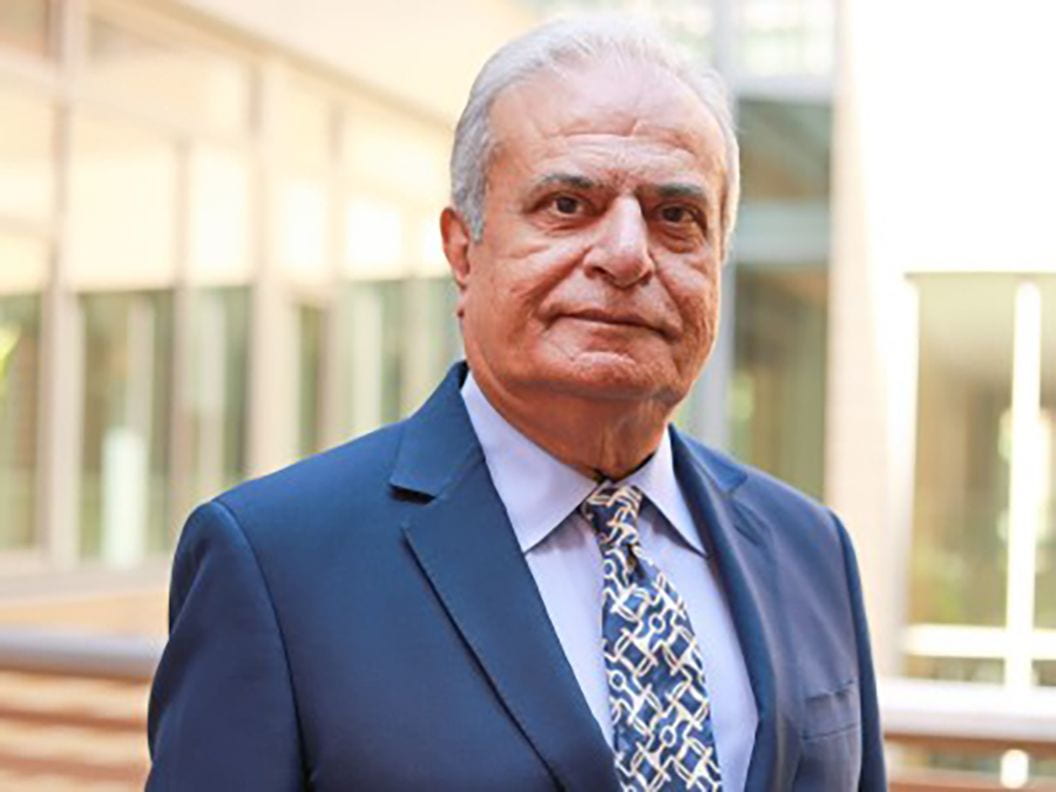
Co-Supervisor: Prof. Asad Madni
Professor Madni has established himself as one of the foremost experts in the field of electronics and electrical sciences and engineering. He served as President, COO & CTO of BEI Technologies Inc. from 1992 until the completion of its $600M acquisition to Schneider Electric in 2006. He led the development & commercialization of intelligent sensors, systems, and instrumentation for which he has received worldwide acclaim including, the Extremely Slow Motion Servo Control System for Hubble Space Telescope’s Star Selector System which provided the Hubble with unprecedented pointing accuracy and stability, resulting in truly remarkable images that have enhanced our understanding of the universe; and the revolutionary MEMS GyroChip® technology which is used worldwide for Electronic Stability Control and Rollover Protection in passenger vehicles, thereby saving millions of lives every year. The sensing technologies that he developed are the fundamental building blocks that help make autonomous vehicles a reality. Prior to BEI he was with Systron Donner Corporation for 18 years in senior technical & executive positions, eventually as Chairman, President & CEO. Here, he made seminal and pioneering contributions in the development of RF & Microwave Systems & Instrumentation which significantly enhanced the capabilities and combat readiness of the US Tri-Services and allies.
Since joining UCLA in 2011 as Distinguished Adjunct Professor and Distinguished Scientist, he has been directing graduate research in MEMS, intelligent sensors and systems, computational sensing, wireless health, and high-speed instrumentation. He is also a Faculty Fellow at the UCLA Institute of Transportation Studies and Connected Autonomous Electrical Vehicle Consortium.
Dr. Madni is the recipient of over 100 national and international honors and awards including, National Inventors Halll of Fame, John Fritz Medal (widely considered engineering’s highest honor and referred to as the “Nobel Prize” in engineering), IEEE Medal of Honor (institute’s highest honor, widely recognized as the “Nobel Prize’ in electronics/electrical sciences and engineering), Royal Academy of Engineering Prince Philip Medal (academy’s highest individual honor), Elmer A. Sperry Award, IEEE Frederik Philips Award, IEEE Millennium Medal, ASME Soichiro Honda Medal, UCSD Gordon Medal for Engineering Leadership, Ellis Island Medal of Honor, IET J.J. Thomson Medal, IEE Achievement Medal, World Automation Congress Medal of Honor, TCI College Marconi Medal, Mahatma Gandhi Pravasi Samman Award, Hind Rattan (“Jewel of India”) Award, IEEE SC Sensor Systems/Networks Advanced Technical Achievement Award, IEEE AESS Industrial Innovation Award, IEEE AESS Pioneer Award, IEEE IMS Career Excellence Award, IEEE HKN Eminent Member Recognition, IEEE-HKN Vladimir Karapetoff Award, UCLA Professional Achievement Award, UCLA Engineering Alumnus of the Year Award, UCLA Engineering Lifetime Contribution Award, UCLA Engineering Distinguished Service Award, UCLA EE Distinguished Alumni and Distinguished Service Awards, USC Engineering Dean’s Faculty Award for Service, Tau Beta Pi Distinguished Alumnus Award, and Tau Beta Pi McDonald Mentor Award.
He has been elected a fellow/eminent member by some of the world’s most prestigious scientific and technical academies and societies including, National Academy of Engineering, National Academy of Inventors, Royal Academy of Engineering, Canadian Academy of Engineering, European Academy of Sciences and Arts, New York Academy of Sciences, Washington Academy of Sciences, American Association for the Advancement of Science, IEEE, Institution of Engineering and Technology, American Institute of Aeronautics and Astronautics, Society of Automotive Engineers, American Institute of Medical and Biological Engineering, Royal Aeronautical Society, Institute for the Advancement of Engineering, and Asia-Pacific Artificial Intelligence Association. He has been awarded 6 honorary doctorate degrees and 7 honorary professorships. In 2019, IEEE HKN named its top award “The Asad M Madni Outstanding Technical Achievement and Excellence Award” to recognize and honor his nearly 50 years of technical and philanthropic accomplishments, and visionary leadership. In 2022, Tau Beta Pi established “The Asad M. Madni Distinguished Alumnus Award and Student Scholarship” in his honor.
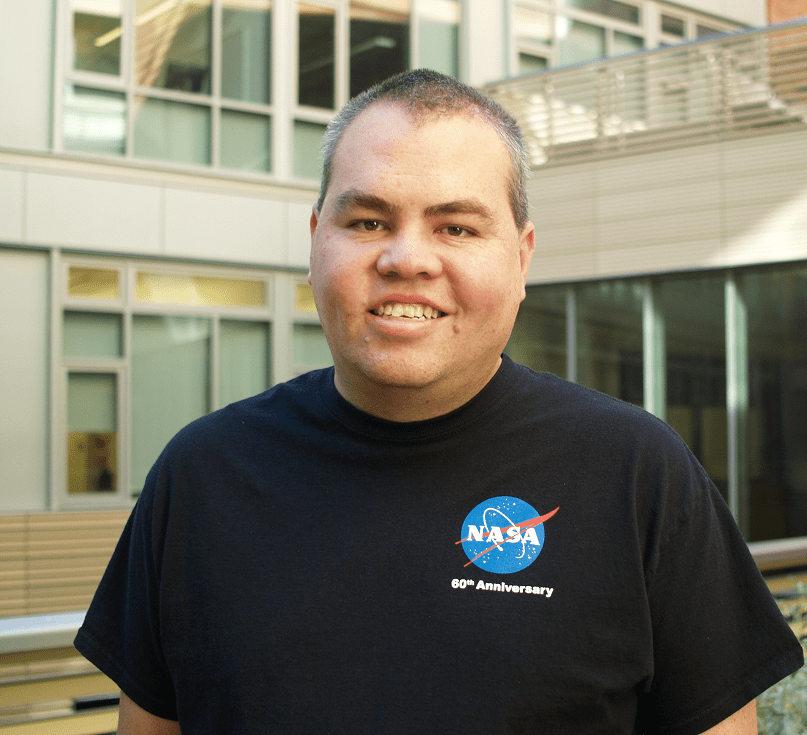
Adrian Tang is a current visiting scholar at and alumni of UCLA-HSEL (Ph. D.2012) and has 20 years of commercial circuit and system design experience. Adrian’s primary appointment is in the sub-millimeter wave advanced technology group at NASA’s Jet Propulsion Laboratory in Pasadena, California where he directs the Space-SoC laboratory, which jointly with HSEL is developing many CMOS instrument SoCs for next generation NASA Earth science, planetary science and astrophysics missions.
Learn more about Adrian: www.sadcircuitdesigner.com
Adrian’s publications: http://sadcircuitdesigner.com/articles.html
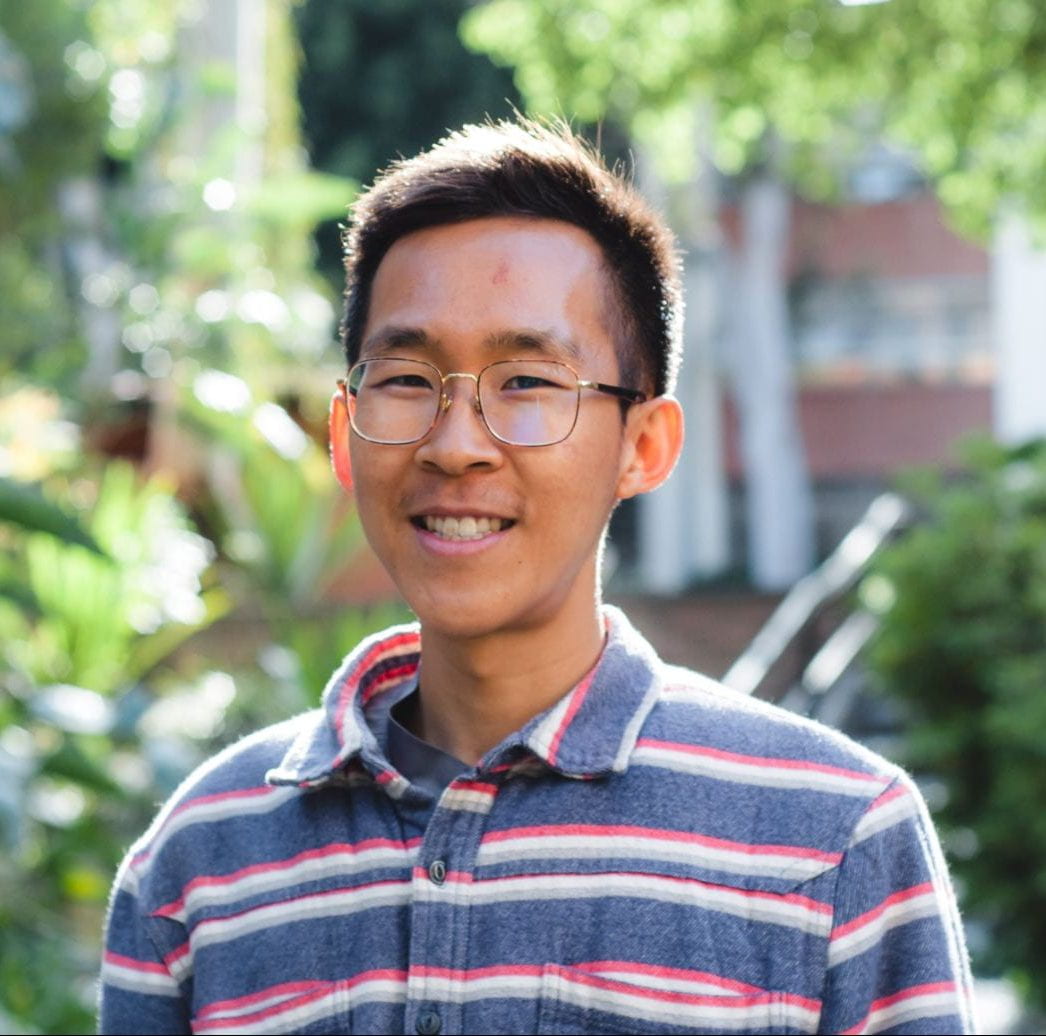
Andrew Liu (Tian) was born and raised in Cypress, California. He received his BS and MS in Electrical Engineering & Computer Science (EECS) from UC Berkeley in 2018 and 2019, respectively. He completed his master’s thesis under Professor Ali M. Niknejad titled “A Low Power Mutual Noise-Canceling Receiver Front-End with Blocker Tolerance for IoT Applications”. He has worked as an analog and RF circuit design intern at multiple companies, including Opulinks, Qualcomm, HRL, and NXP. Since Fall 2019, he has been pursuing a PhD degree in Electrical Engineering under Professor MC Frank Chang. His current research interests are in using FinFET CMOS to design mm-Wave mixed-signal integrated circuits and D-Band power amplifiers. He is also actively working in industry on full-duplex wireless transceivers for Bluetooth/Wi-Fi 6 and mm-Wave contactless connectors.
He was awarded the ECE Department Fellowship in Fall 2019 and is also a student member of IEEE and HKN.
Publications:
Y. Zhang, C.J. Liang, C. Chen, A. Liu, J. Woo, S. Pamarti, C.K.K. Yang, M.C.F. Chang, “A Sub-50fs-Jitter Sub-Sampling PLL with a Harmonic-Enhanced 30- GHz-Fundamental Class-C VCO in 0.18μm SiGe BiCMOS,” in ESSCIRC 2021 – IEEE 44th European Solid State Circuits Conference (ESSCIRC), 2021.
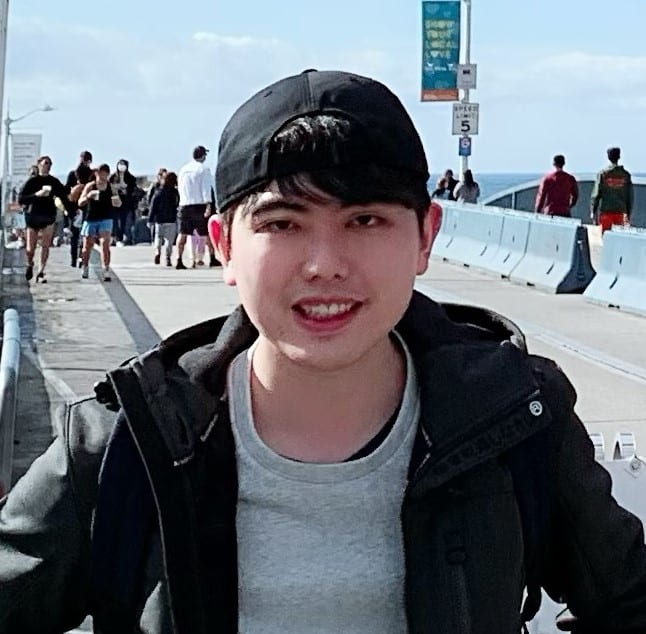
Chao-Jen Tien received B.S. in Electrical and Optical Engineering, and M.S. in Electronic Engineering both from National Chiao Tung University (NCTU) in 2016 and 2019. He was a Research and Development (R&D) Engineer at Mediatek Inc. between 2019 to 2021, where he contributed to the 112GHz and 56GHz DSP-based Ethernet SerDes project. Since 2021, he is a Ph.D. student advised by Prof. Frank Chang in the ECE department at UCLA. His research focuses on wireless communication systems design and signal processing for high-speed circuits.
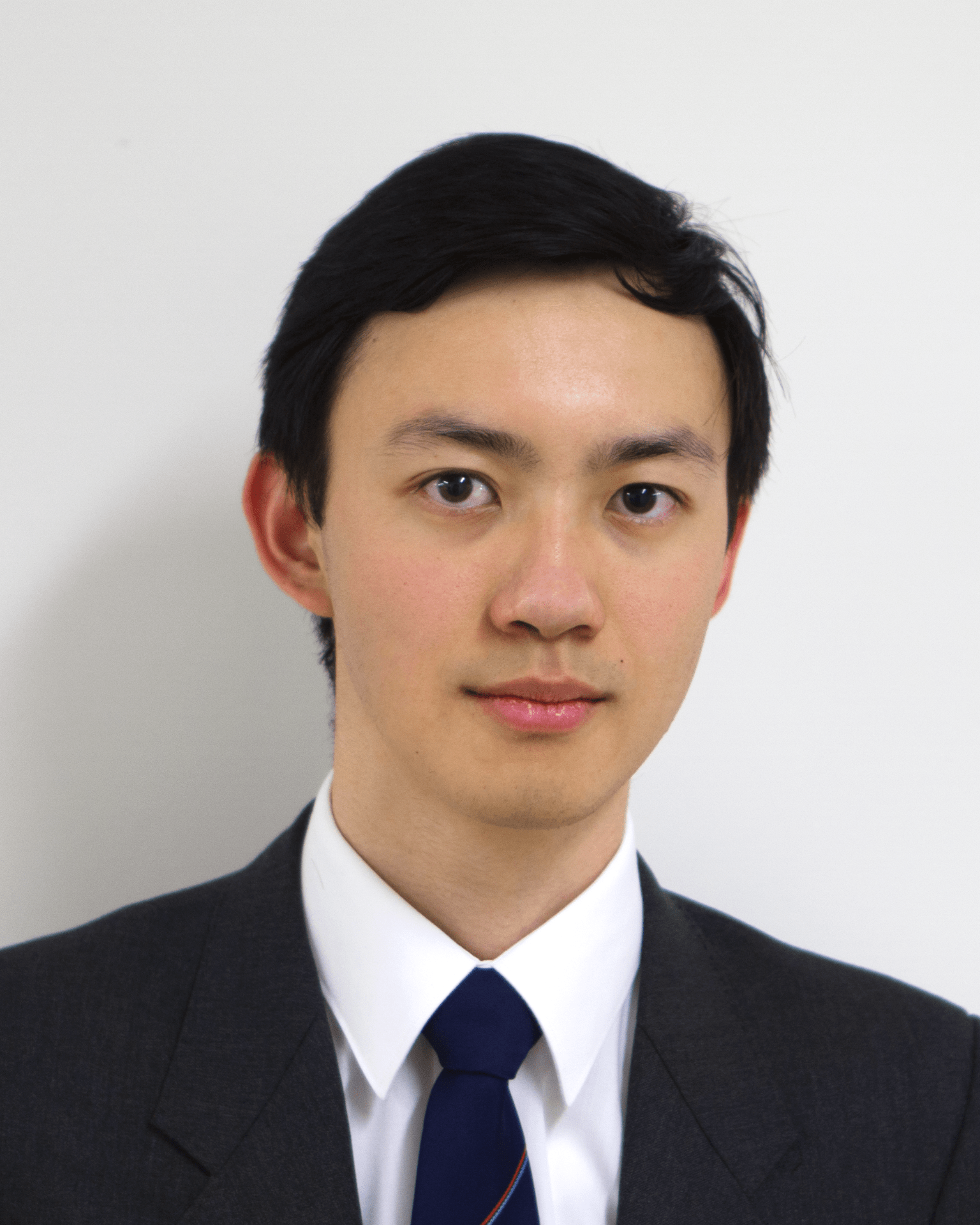
Christopher Chen received his B.S. and M.S. in electrical engineering from University of California, Los Angeles (UCLA) in 2019 and 2020, respectively. He is currently pursuing his Ph.D. at UCLA. His current research focuses on frequency synthesizers.
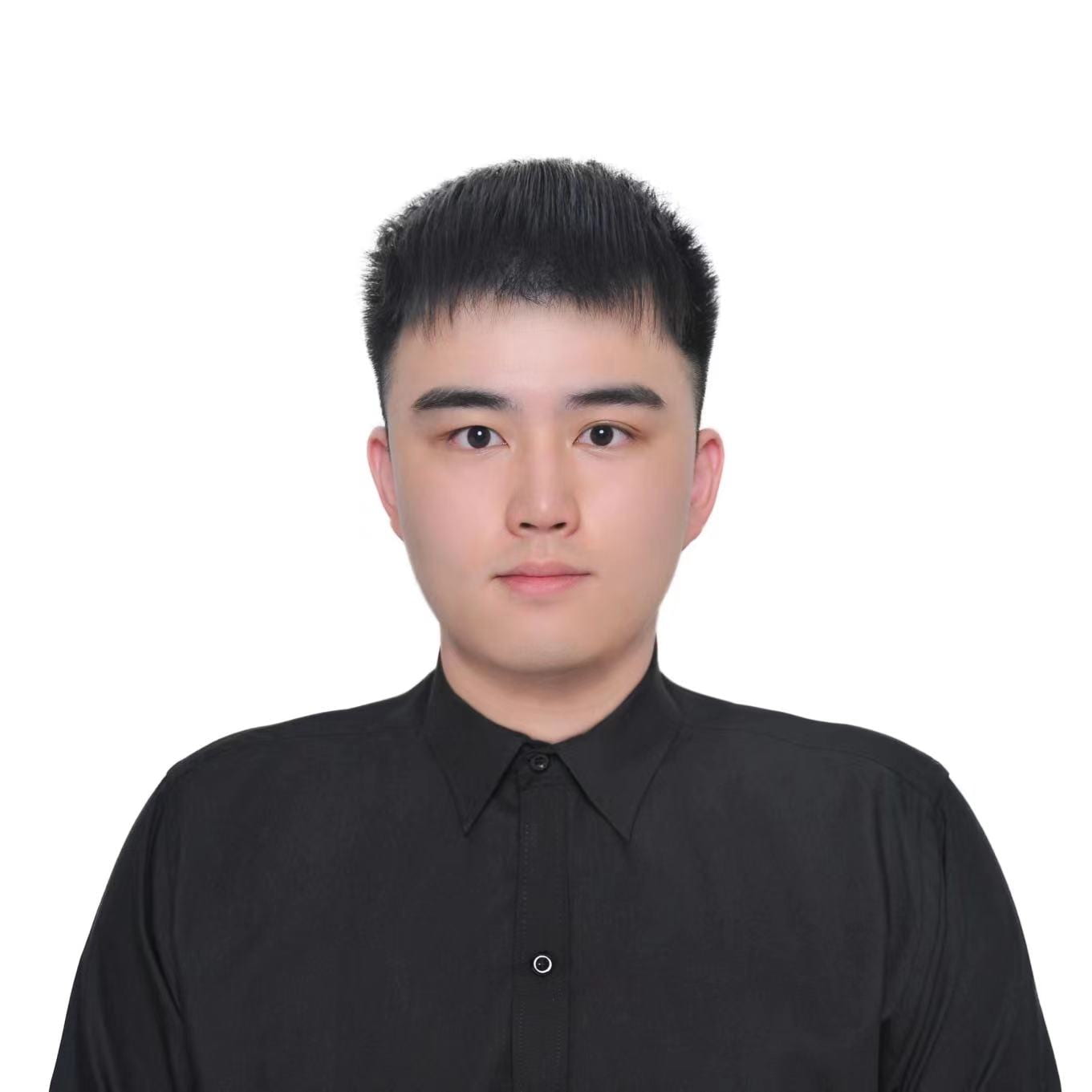
Jingxuan Zhu was born in Nanjing, China. He received the B.S. degree in Electrical Engineering from University of California, Irvine (UCI) in 2021. He has designed a 4-bit BCD adder, a 4-bit Serial-in Shift Register, and a 5.2GHz direct-conversion and heterodyne CMOS receiver. He is currently pursuing a M.S. degree in Electrical and Computer Engineering in University of California, Los Angeles (UCLA) and works in High Speed Electronics Lab with Prof. Frank M.C. Chang.
Research Interest:
CMOS Integrated Analog and RF Circuit Design
email: jingxuz4@ucla.edu
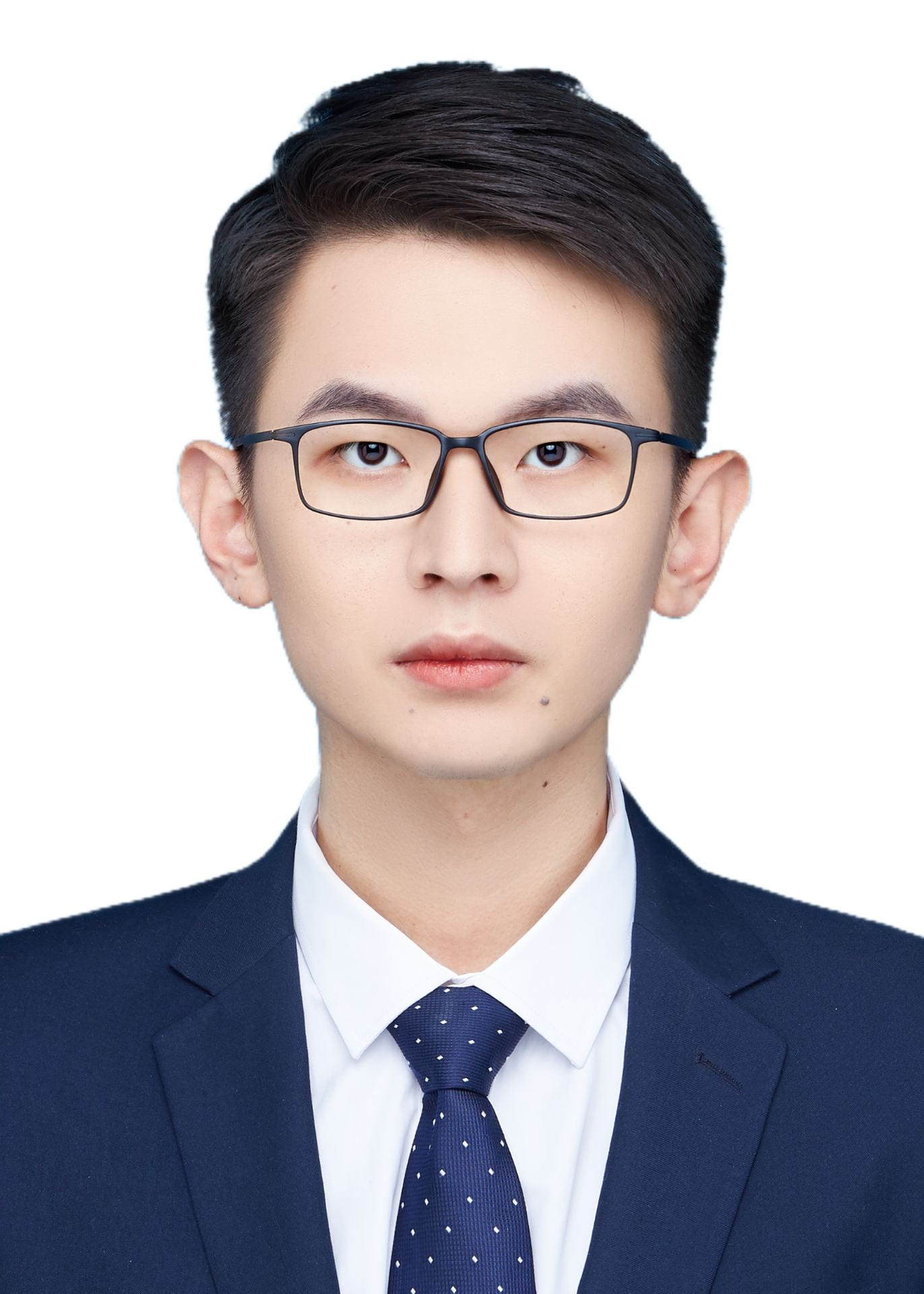
Runzhou Chen received his B.Eng. degree in ECE from Hong Kong University of Science and Technology in 2021. He worked on visible light communication based indoor positioning for his bachelor’s thesis. Since 2021, he is pursuing a M.S. degree at UCLA with an interest in RFIC design. He is currently working on the D-band frequency multiplier chain.
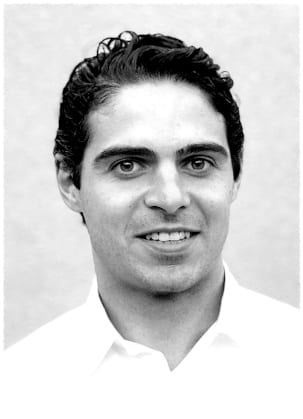
Stanislav Culaclii is a mixed-signal IC designer in radar and biomedical domains. He received B.S. and M.S. degrees in EE from UCLA in 2007 and 2009 under the advisory of Dr. Frank Chang, and a PhD degree in Neural Interfaces at UCLA in 2019 under the advisory of Dr Wentai Liu. His previous experience includes SoC design for airborne radars at Raytheon Company, and mixed-signal design for airborne and space radar at JPL.
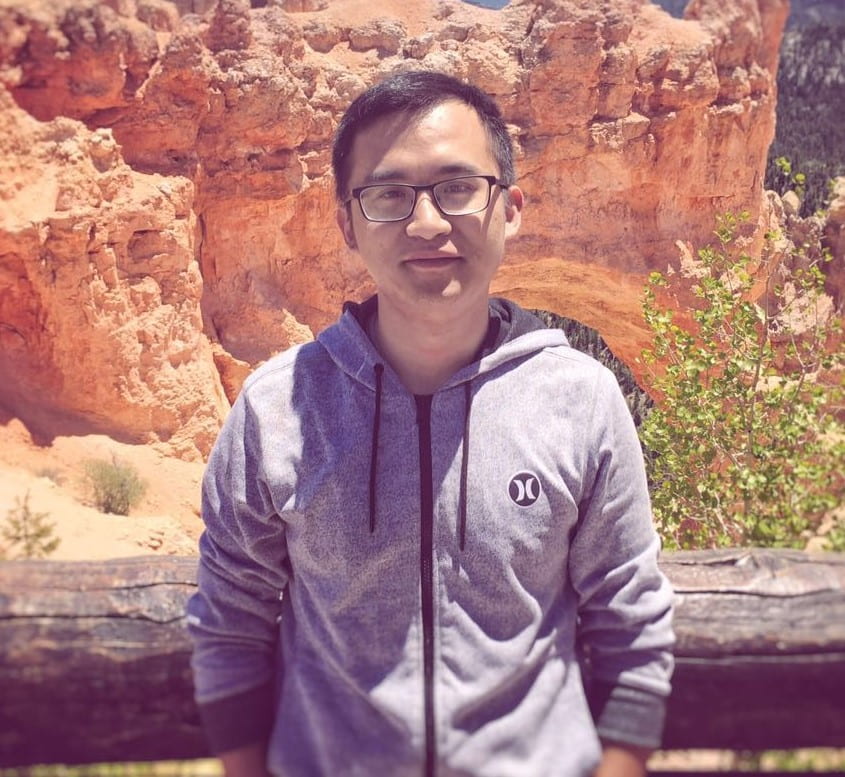
Weikang Qiao completed his Ph.D. defense in June 2022, with the dissertation title being “Customized Computing: Acceleration of Big-Data Applications”. During his Ph.D. study at UCLA, he worked with Prof. Frank Chang and Prof. Jason Cong on customized accelerator architecture designs and performance modeling across various memory hierarchies, such as DRAM, High-bandwidth Memory (HBM) and SSDs. He received his B.S. degree in Information and Communication Engineering from Zhejiang University, China in 2015 and his M.S. degree in Electrical Engineering from UCLA in 2017.
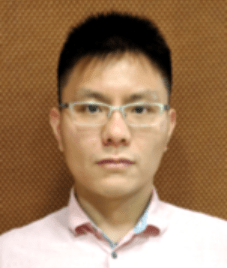
Jia Zhou received B.S. from Shanghai Jiaotong University in 2012 and M.S. from UCLA in 2014. He was with Teradyne Inc. between 2015 and 2017 on mixed-signal and high-voltage IC designs. Since 2017, he has been with HSEL in the ECE department at UCLA. His research interest includes sensor interfaces for bio-applications and quantum computing, and mmWave radar systems. He is a recipient of Broadcom Foundation fellowship and two-time best student paper awards at IMS.
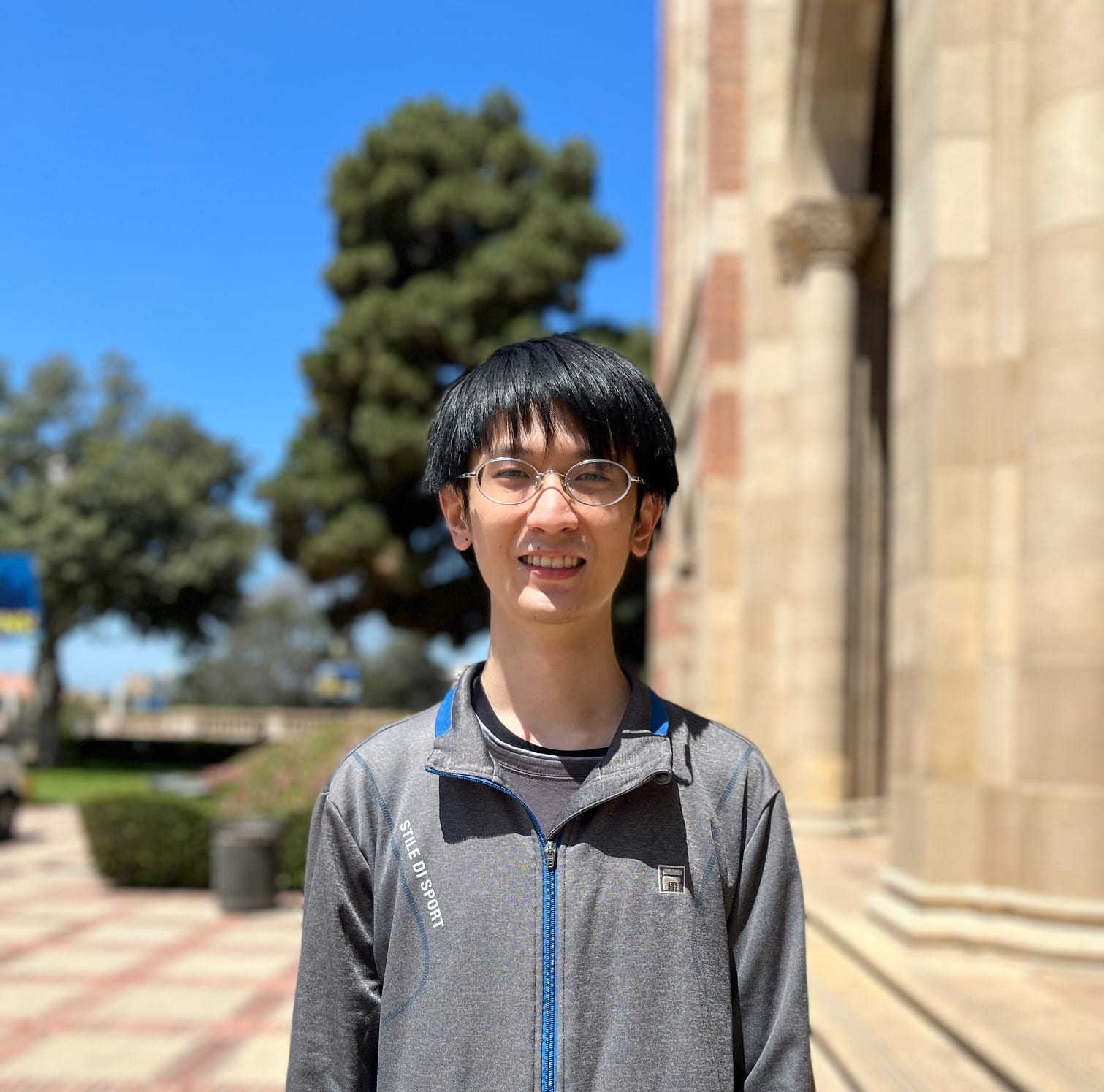
Jhih-Wei Chen is a Ph.D. student advised by Prof. Frank Chang in the ECE department at UCLA. He received his B.S. degree in Electronic Engineering from National Taiwan University in 2019. His research focuses on cryogenic CMOS circuit design for semiconductor-based quantum computing.
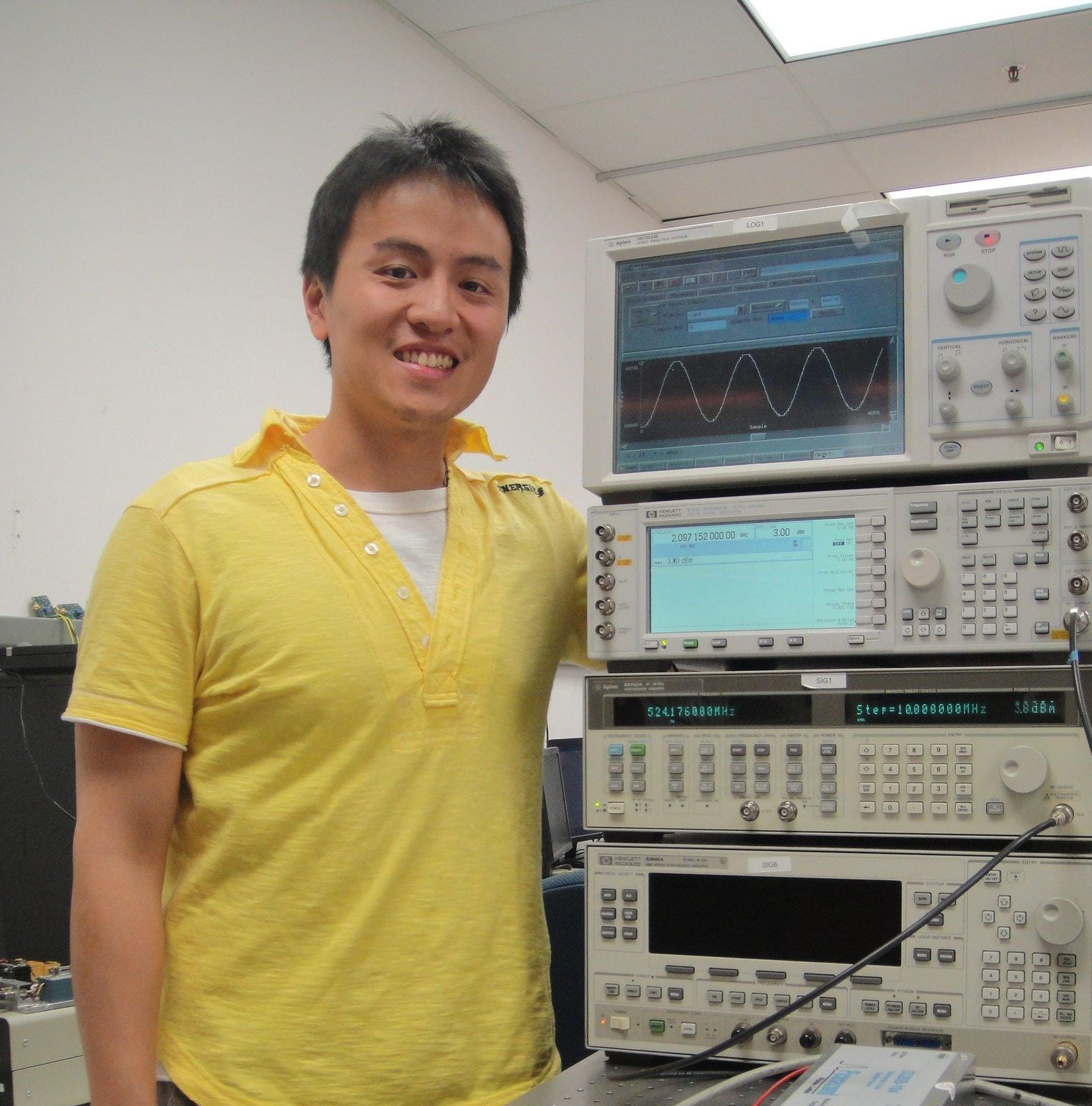
Yen-Hsiang Wang was born in Taipei city, Taiwan. He received the B.S. degree in Electrical Engineering from National Taiwan University (NTU) in 2008. The bachelor project was a 24GHz power amplifier with 10dBm P1dB in 0.18um CMOS. Later on he obtained the M.S. degree from University of California, Los Angeles (UCLA) in 2011. The master thesis was on a low-power ADC design for 60GHz wireless communication. He is currently pursuing the Ph.D. degree at UCLA. In 2007 he worked as an internship in Wireless Communication group in MediaTek Inc.
Publication
Ku, I.; Xu, Z.; Kuan, Y.C.; Wang, Y.H.; Chang, M.-C.F.;, “A 40-mW 7-bit 2.2-GS/s Time-Interleaved Subranging ADC for Low-Power Gigabit Wireless Communications in 65-nm CMOS,†Custom Integrated Circuits Conference, 2011
Research interest
CMOS high-speed mixed-signal circuit design, CMOS RF circuit design
Email: yhwang@ucla.edu
Yida Chen was born in Shanghai, China. She obtained B.S. degree (with honors) in Electrical and Systems Engineering from New York University Shanghai. She is currently a master student in Electrical Engineering at UCLA. Her research interests include analog and mixed-signal IC.